90-Year Old Coppersmith Still Turning Out Lanterns

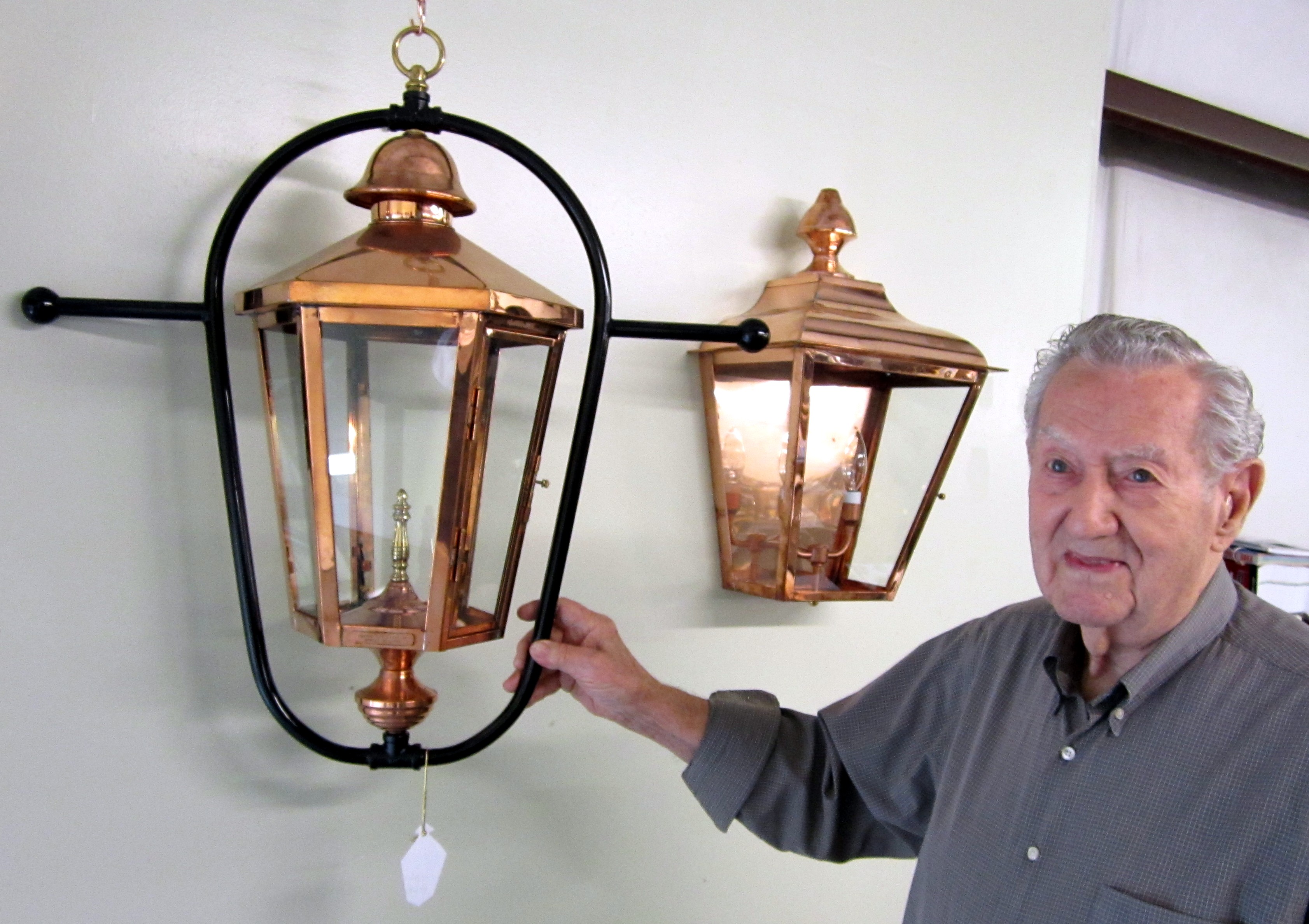
At age 90, Bill Paulk is still hand crafting copper lanterns.

When Bill Paulk opened his coppersmith company in 1985 at age 64 he says it was as “a retirement business.”  Now 26 years later at age 90, Paulk gives no hint of real retirement.

“But my wife doesn’t want me to advertise because it might bring in too much business,” says Paulk.  The shop is a one man operation and Paulk turns out a hand crafted copper lantern about every four days.

His shop in Mobile, Alabama, has supplied ornamental street lighting for subdivision all over the country.

“I even have some of my lanterns in a residential development in Kuwait,” says Paulk, who explained that one afternoon a guy drove up to his shop in a big black Mercedes.  “He got out and walked around for a while looking at the different styles of lanterns.  For a while he didn’t seem real interested, but then he ordered a bunch of lanterns and peeled off a wad one-hundred dollar bills to pay for them.  He shipped them to Kuwait where he was developing a subdivision.”

Paulk’s lanterns sell for a minimum of $350 with the top models bringing well over $1,000.

Before “retirement,” Paulk spent his career in sheet metal work.  He worked with several local companies and did the sheet metal work for the first air conditioning system in the original Battle House Hotel and the Waterman Building, both regional landmarks.

“It’s been a good life,” says Paulk who seems as nimble today as men 30 years his junior.

Indeed it has.

#     #     #

Posted in Alabama, Mobile Alabama, William Bruce | Tagged , , , , , , , , | 1 Comment

An Adventure Into Prehistoric Alabama

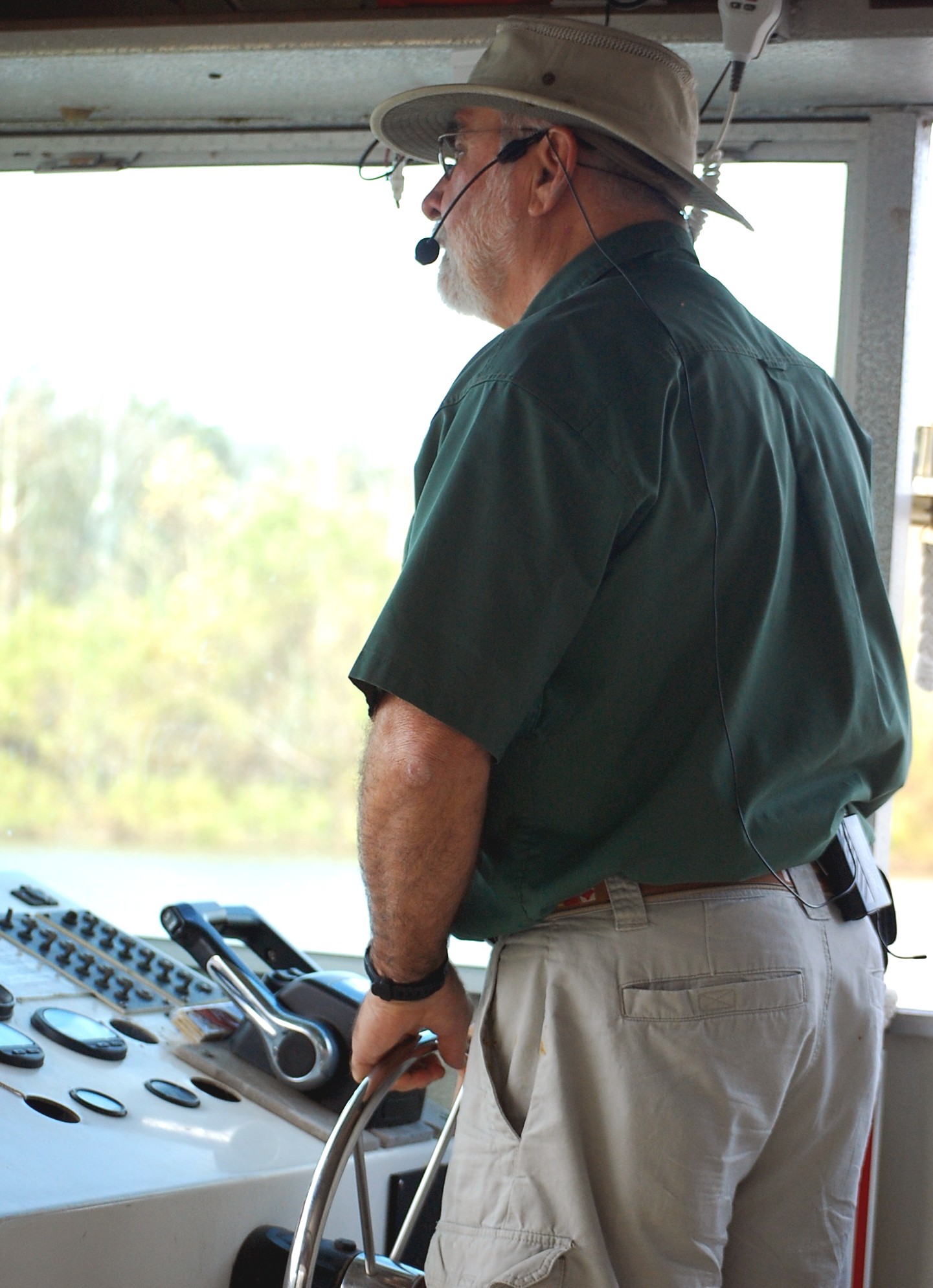
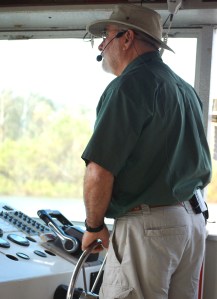
Captain Steve Day guides the Delta Explorer up the Tensaw River towards Bottle Creek and Mound Island.

By William Bruce

Deep in the heart of the Mobile-Tensaw River Delta lies a mysterious island, studied for centuries by explorers, archeologists and historians.

As the crow flies, the island is only 24 miles north of downtown Mobile, Alabama.  But by other measures, it’s eons away.  The site is accessible only by boat.

The Mobile-Tensaw River Delta is formed by the confluence of the Alabama and Tombigbee Rivers.  Below where the two rivers join, a vast area of wetlands consisting of winding rivers, creeks, bayous, cut-offs, lakes and islands spread out over an area approximately 40 miles long and 10 miles wide.   It’s the second largest river delta in the U.S.  Ultimately all of this opens into the head of Mobile Bay.

This mysterious place in the heart of the wetlands wonderland is Mound Island.  On a recent Sunday, our boat pulled out of a landing on the eastern edge of the Delta near Stockton heading for the island.

Captain Steve Day maneuvered the boat north up the Tensaw River and then into Bottle Creek.  Mound Island is so deep in the Delta, that even departing from the closest landing, the boat trip is an hour-long ride to reach the site.  The trip was organized by Blakeley State Park and included 50 adventurers on their boat, the Delta Explorer.

Mound Island on Bottle Creek is intriguing because of its prehistoric inhabitants.   Humans lived there, as dated by archeologists, from about 1200 to 1450 AD.  Archeological digs during the 1930s and 1990s suggest that the ancient inhabitants were Indians who migrated south from the mound building tribe at Moundville, Alabama, near Tuscaloosa to establish a new colony near the Gulf Coast.

On the island are 18 earthen mounds, the tallest being roughly 45 feet high.  Five of the eighteen mounds are arranged around a central plaza.

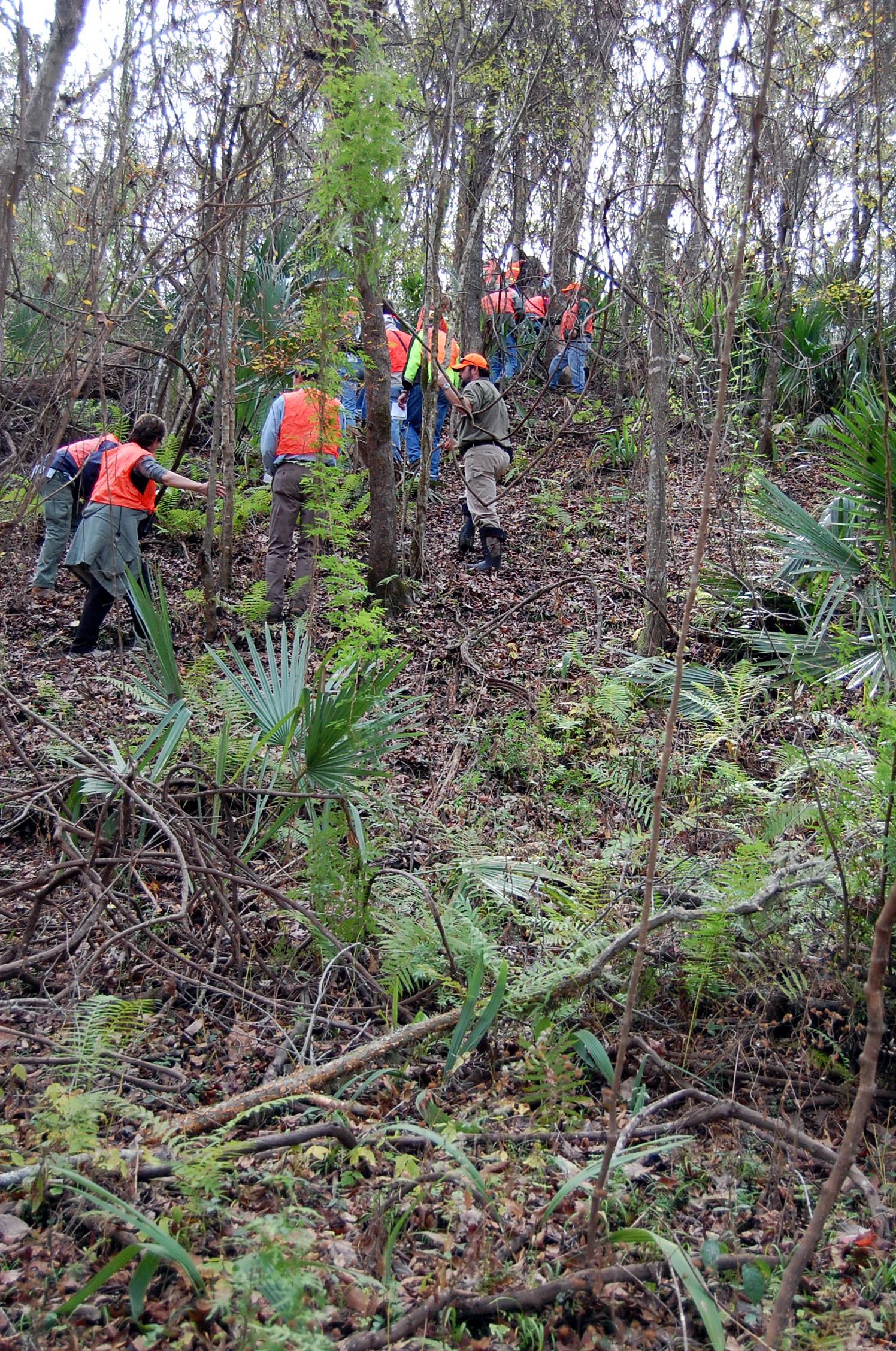
Our group climbed the highest mound on the island, the equivalent of over four stories.

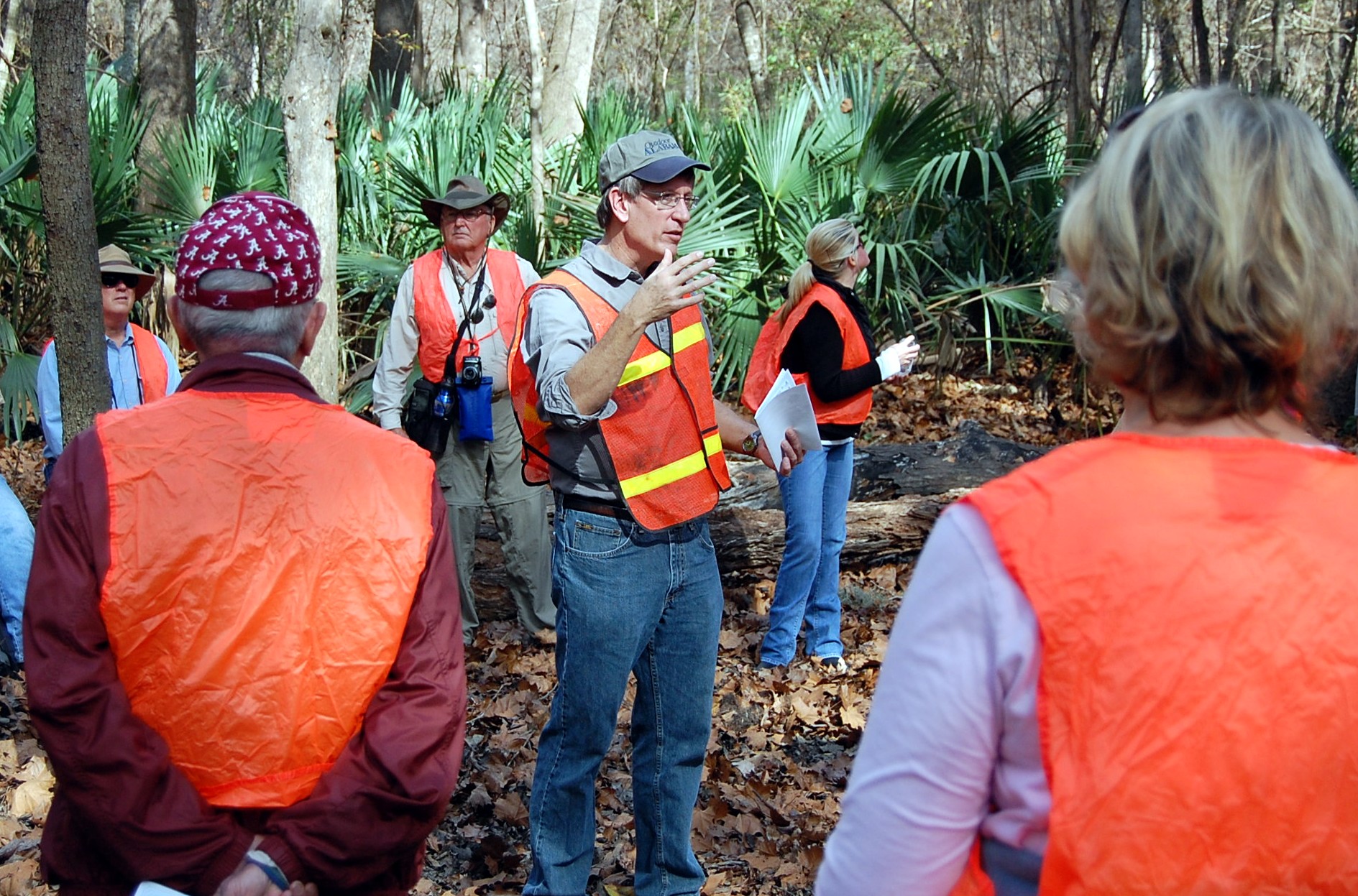
Once the large pontoon boat was beached on Mound Island, Dr. Greg Waselkov, director of the Center for Archeological Studies at the University of South Alabama led the group of explorers by foot into the interior of the island.  The island is dense with vegetation and there are no signposts, making it very easy to get lost.  You want to hang tight with the group.  Signs of wild hog rootings are everywhere.  And Alabama’s remnant population of Black Bears lives in the Delta.

Dr. Waselkov said it’s not entirely clear what purpose the mounds served in the Indian culture, but indicated that living arrangements and ceremonial functions are the consensus of professional archeologists.  He said the ruling families would probably have lived on the highest mounds, with the same mounds possibly playing a role in the religious and ceremonial life of the community.  The lower classes of Indian society would have lived on the lesser mounds.

Excavations show that the mounds were well engineered and according to Dr. Wsaelkov, took years to construct, one basket of dirt at a time.
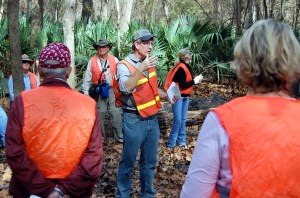
Dr. Greg Waselkov leads an on site discussion of the Indians of Mound Island.

Why did the Moundville Indians want to establish a southern community in the middle of the Delta?  “Possibly they wanted to take advantage of the east-west trade that was developing along the Gulf Coast,” said Dr. Waselkov.  “And they may have considered the location protected but also accessible to the entire Gulf Coast area.”

During the community’s time of prominence, Dr. Waselkov says that Mound Island was probably the cultural, political and religious center of a large area of the Northern Gulf Coast.  He says the mound builders were the genealogical antecedents of the “modern” tribes that we know as the Creeks, Choctaws, Chickasaws and others.

For whatever reasons, the Mound Island culture was in decline by 1500.  By the time Bienville established the City of Mobile in 1702, there were few if any Indians living on Mound Island.  However, the local Mobilian Tribe of Indians knew of the island and considered it sacred.

They offered to take Bienville into the Delta to show him the site.  Once on the island, Bienville entered the temple which was located on one of the mounds.  The Mobilian Indians, with fear and reverence for the temple, would not go in with him, and in fact averted their gaze so as to not look inside.

Once inside the temple, Bienville found five statues: a man, a woman, a child, a bear and an owl.  He immediately seized the statues and took them back to Mobile.  The Indians were horrified.

Bienville later shipped the five statues to France where they have been lost.

Other than Bienville’s plundering and a few vandals digging for relics over the past decades, the site has been well protected by its remote location and also by the McMillan family which owned thousands of acres in the Delta including Mound Island.  The site is now owned by the State of Alabama and protected by the Alabama Historical Commission.

Further information on Mound Island can be found at the Encyclopedia of Alabama by clicking here.

#     #     #

For other intriguing local historical lore, you may be interested in this article:  “Were There Welsh Explorers on the Shores of Mobile Bay 300 Years Before Columbus ‘Discovered’ America.

Posted in Alabama, Mobile Alabama, William Bruce | Tagged , , , , , , , , , , , , , , , , , , , | 3 Comments

Let’s Pass a Law Against August. Just Make it Illegal.

The month of August is again upon us.  August has no socially redeeming features.  Absolutely none. It’s a dreadful time.

It’s so bad, in fact, that locals are driven to the brink of insanity by the heat and humidity.

However, there is a solution. It’s so simple that I’m surprised it has taken this long.

The solution is to call the Alabama legislature into special session and simply pass a law against August. The legislature, within its power, could just declare August to be illegal within state borders.

Nowhere is it written that we have to live by a 12-month calendar. Think of the advantages. We could go directly from July to the cooler month of September.

If our ancestors had done this years ago, we would have been spared a lot of grief. The first income tax law was passed in August.

Without August, there would be no IRS.

Need I say more?

There is only one group that would oppose outlawing August. It’s the beer brewers and distributors.   August is a big month for them. In fact, I’ve used Budweiser for more decades than I care to admit to help me endure the horrible month.

To blunt the beer brewers’ opposition to our proposal and to help smooth out seasonal beer sales, I’m tinkering with a recipe to replace the bourbon in Christmas eggnog with beer.  As soon as I have the recipe fine tuned, I’m going to turn it over to Anheuser-Busch absolutely free of charge.

Do this: Call your legislators. Urge them to quickly pass a law against August. Strike while the iron is hot.

#    #    #

To subscribe to these insane ramblings, please see the subscription feature at the top right of this page.

Posted in Alabama, Uncategorized | Tagged , , , , , , , , | 2 Comments

The Business Side of Girl Scout Cookies

Your intrepid writer here has eaten tons of Girl Scout cookies in the last few weeks which qualifies said glutton as an expert witness.  A little curiosity about the business side of the operation revealed some interesting information.

About a hundred years ago, an Oregon Girl Scout troop organized a bake sale.  Now a century later, the Girl Scouts of America presides over a $700 million cookie empire.

In the 1950s the organization added three new recipes to its original sugar cookie: “Shortbreads,” “Peanut Butter Sandwich” and the iconic “Thin Mints.” By 1956 there were six varieties.

As baby boomer children swelled the ranks of Girl Scout troops throughout America in the 1960s, sales of cookies increased dramatically as individual troops grew in membership and more troops took up cookie sales.

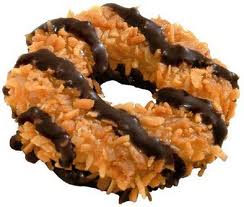
The Samoa (now renamed Caramel deLite), a caramel, coconut and chocolate covered cookie, was released during America’s Bicentennial year in 1976 and now accounts for 19 percent of the total sales.  By the 1980s, Girl Scout cookies were such a major player on the market that one of the country’s largest commercial bakeries, Keebler, partnered with the Girl Scouts.  Today, Keebler is one of only two licensed producers of Girl Scout cookies.

Revenue from the sales of Girl Scout cookies has been around $700 million since 1999, based on sales of 200 million boxes at $3.50 per box.  For each box sold, 75 percent of the money goes to the local council, while 25 percent goes to bakeries.  The Girl Scout national headquarters also receives royalties for licensing.

Of the millions of boxes sold every year, the most current breakdown of sales and revenue by variety is:

1. Thin Mints — $175 million
2. Samoas (Caramel deLites) — $133 million
3. Tagalongs (Peanut Butter Patties) — $91 million
4. Do-si-dos/Savannahs (Peanut Butter Sandwiches) — $71 million
5. Trefoils (Shortbread) — $63 million
6. Other Varieties — $167 million

In a purely altruistic effort to provide complete and accurate information, your working boy here has eaten them all.  (The things I’m forced to do in this line of work!)

My favorite: Caramel deLites.

Posted in Uncategorized, William Bruce | Tagged , , | Leave a comment

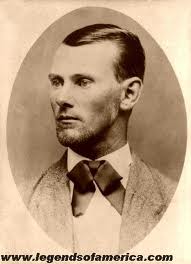
Did Jesse James Practice Medicine in Baldwin County, Alabama?

Yes, according to the written remembrances of John Snook.  Now deceased, Snook recorded his recollections in Baldwin Vignettes, which was published in 1984.  Long time residents of the area will remember Snook as the eccentric owner of the Foley-based Gulf Telephone Company.

Biographers of Jesse James have generally been unable to account for a certain gap of time in the outlaw’s life.  The void is that period of time immediately following the James gang’s spectacularly botched bank robbery in Northfield, Minnesota.  The September, 1876 robbery attempt went terribly awry and left the gang thoroughly shot up with most members dead or behind bars.  Jesse escaped and disappeared.

Cut now to Mr. Snook of Baldwin County, Alabama writing in 1984: “There are a number of older residents and citizens of our Baldwin area who remember people who saw and knew or associated with a rather handsome, well-mannered, intelligent visitor to the area in the 1870s.  This gentleman posed as a doctor and not only practiced a successful form of medicine, but was especially able in setting broken bones and in digging out bullets or treating cuts and other types of puncture wounds.”

Snook continues the description: “He was not only affable, but aided a number of people in financial stress in a most benevolent manner.  My father-in-law, who at this writing is 87 years of age, recalls stories of kinspeople and friends of another generation who had this personage as a dinner guest on various occasions.”

He continues: “It developed or eventually became known that this good looking, affable, benevolent person was none other than the famous, or infamous, Jesse James.”

“His surrey and span of horses with his doctor’s bag have become a part of the legendary colorful characters of our community,” concludes John Snook.

#     #     #

For other little known “stuff” about South Alabama, you might also like Were There Welsh Explorers on the Shores of Mobile Bay 300 Years Before Columbus “Discovered” America?

To subscribe to these ramblings, please see the subscription feature in the upper right part of this page.

Posted in Alabama | Tagged , , , , , , | 3 Comments

Notes on a trip from Fairhope to Meridian, MS and Tuscaloosa, AL

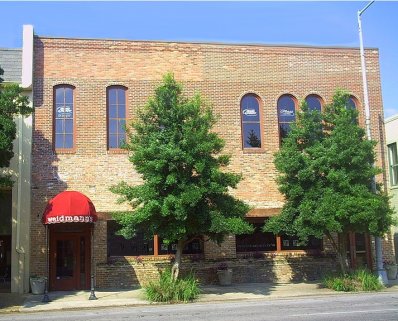
Weidmann's Restaurant in downtown Meridian, Mississippi

Combining pleasure, including good restaurants, with business trips is a favorite diversion.  A recent trip to Meridian, Mississippi and Tuscaloosa, Alabama was no exception.

In Meridian for the first time in over a decade, I visited for lunch the historic 140- year old Weidmann’s Restaurant.  Founded in 1870 by Felix Weidmann, the restaurant has been a downtown landmark for generations of Meridian natives and visitors alike.  Under the Weidmann family, the establishment became one of the best known restaurants in Mississippi, beloved for its traditions, great food, and quirky atmosphere.  Among other things, the restaurant was known for its black bottom pie and crocks of homemade peanut butter on each table.  It remained in the Weidmann family until 2001.

But by 2001, the building was falling victim to the ravages of time and was bought by a group of investors including actress and Meridian native Sela Ward.  A massive remodel of the building was completed and the restaurant leased to a new operator.  The new fellow ran the restaurant for 10 years before abruptly disappearing last April without notice to the investors or employees.

The investors then contracted with experienced restaurateur Charles Frazier to take over the operation.  The personable new operator told me it was his goal to blend the Weidmann history with the modern renovated building.   Indeed, some of the old menu items are still there, as is a waiter whom I recognized from about 20 years ago!

Then the next day it was on to Tuscaloosa and lunch with one of my favorite cousins, Sarah Perdue.  (Sarah’s mother, Marjorie Strother Overmyer, and I are first cousins and went from the first through the twelfth grades together in Wilcox County.  After high school, Marjorie had a rare lapse of judgment and chose to attend that college in Tuscaloosa.  However, her daughter, my luncheon companion, righted things by attending Auburn.)  But I digress.

Wade Lewis owns Lewis' Heavenly Q in Tuscaloosa, Alabama

Sarah Perdue is a person of eclectic tastes, much preferring “local dives” to chain operations.  For lunch she selected Lewis’ Heavenly Q, a barbeque joint just south of downtown Tuscaloosa owned by Wade Lewis.  Yes, there is another great barbeque restaurant in Tuscaloosa other than Dreamland.  In fact, Lewis’ tongue-in-cheek slogan is “It’s not a dream, it’s Heavenly Q.”  I like his moxie.

I also like his ribs, which were outstanding.  If you go, I suggest ordering them with slaw and the roasted potatoes.  You will not be disappointed.

Sarah and I both share a genetic sweet tooth.   So after we polished off the ribs, it didn’t take much arm twisting to accept her invitation to jump in her car and drive across town to Mary’s Cakes & Pastries.  Mary’s is located in downtown Northport (across the river from Tuscaloosa) and is a great little bakery run by the most interesting and entertaining Mary Cesar.  Mary holds an M.B.A. from Fordham in New York and has studied culinary arts in Paris.

Mary's Cakes & Pastries in Northport may be the best little bakery in the State of Alabama.

The bakery showcase is full of sinfully delicious things.  Mary doesn’t have an inside dining license, so Sarah and I sat illegally at the “wedding cake consultation table” while dipping our scones and Biscotti in steaming cups of coffee.  If you’re ever in the area, don’t miss the opportunity to go by for a “wedding cake consultation.”  You’ll thank me for the suggestion.

After goodbyes, I drove south from Tuscaloosa towards home across the Blackbelt.  The geographic Blackbelt region of Alabama is so named for its rich black soil.  It’s a strip of land averaging about 30 miles wide running from east to west across the state, beginning near Montgomery, running through Selma and ending just across the Mississippi state line.  The Blackbelt was the original antebellum cotton plantation area of Alabama.  Then when cotton played out, the land was allowed to revert to its natural state of attractive and gently rolling grassy prairies which became home to the state’s large cattle ranches.  Not much of the Blackbelt land retains its original appearance, but the area from Greensboro down Highway 69 towards Linden is as authentic as you can get.

On a sunny spring day after ribs, scones and a delightful visit with my cousin, it was about as beautiful a drive as you could ask for.

Posted in Alabama | Tagged , , , , , , , , | Leave a comment